
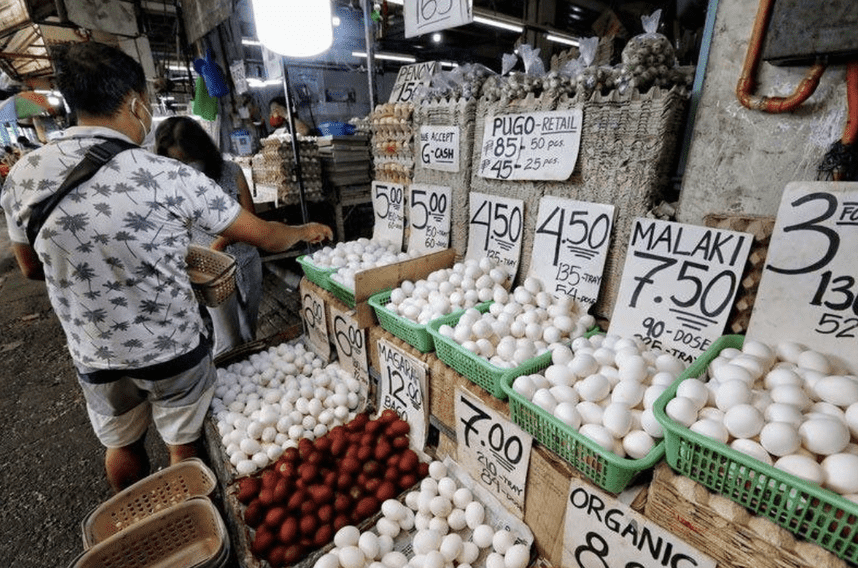
Filipino households regularly make decisions based on prices. Whether buying rice, vegetables, fuel, groceries, or household essentials, even small changes can affect a family’s monthly budget.
But why do prices change?
The answer is rarely as simple as a single factor. Prices can be influenced by supply and demand, production costs, transportation, weather conditions, global markets, and other economic developments.
Understanding these factors can help consumers make sense of price movements and make more informed decisions.
Supply and Demand
One of the basic factors affecting prices is supply and demand.
When a product is widely available but fewer people are buying it, prices may become more competitive. On the other hand, when many consumers want a product but supplies are limited, prices may increase.
This can be especially noticeable with certain food products. When supplies become limited due to seasonal conditions or production challenges, prices may change.
The Cost of Transportation
The Philippines is an archipelago, which means products often need to travel between islands and regions before reaching consumers.
Transportation costs can affect the final price of products. Fuel prices, shipping expenses, and logistics costs may influence how much consumers eventually pay.
This is one reason why the price of the same product can sometimes differ between locations.
Weather and Agricultural Production
Weather conditions can have a significant effect on agricultural products.
Heavy rains, typhoons, droughts, and other extreme weather events can affect the production and distribution of crops.
When agricultural supply is affected, consumers may notice changes in the prices of certain fruits, vegetables, and other food products.
Inflation and Household Budgets
Inflation refers to the general increase in prices over time. When inflation rises, consumers may find that their usual budget does not stretch as far as it did previously.
For Filipino families, this can affect decisions about groceries, transportation, dining, and other everyday expenses.
Understanding inflation can help households plan their spending and identify areas where they may need to adjust their budgets.
Global Market Conditions
The Philippines also depends on imported products and raw materials. Changes in global commodity prices, international supply chains, and foreign exchange rates can influence domestic prices.
For example, changes in global energy markets can affect fuel costs, which may eventually influence transportation and the prices of goods that need to be delivered.
What Consumers Can Do
Consumers cannot control market prices, but they can make informed decisions about their spending.
Comparing prices, checking different stores, planning purchases, buying seasonal products, and avoiding unnecessary impulse purchases can help households manage their budgets.
It is also useful to follow official government announcements and reliable economic data when trying to understand significant price changes.
Final Thoughts
Prices change for many interconnected reasons, and understanding these factors can help consumers become more informed about their everyday expenses.
For Filipino households, knowing how supply, demand, transportation, weather, inflation, and global markets influence prices can provide useful context when planning a budget.
The goal is not simply to find the cheapest price but to understand the market environment and make practical purchasing decisions based on available information.